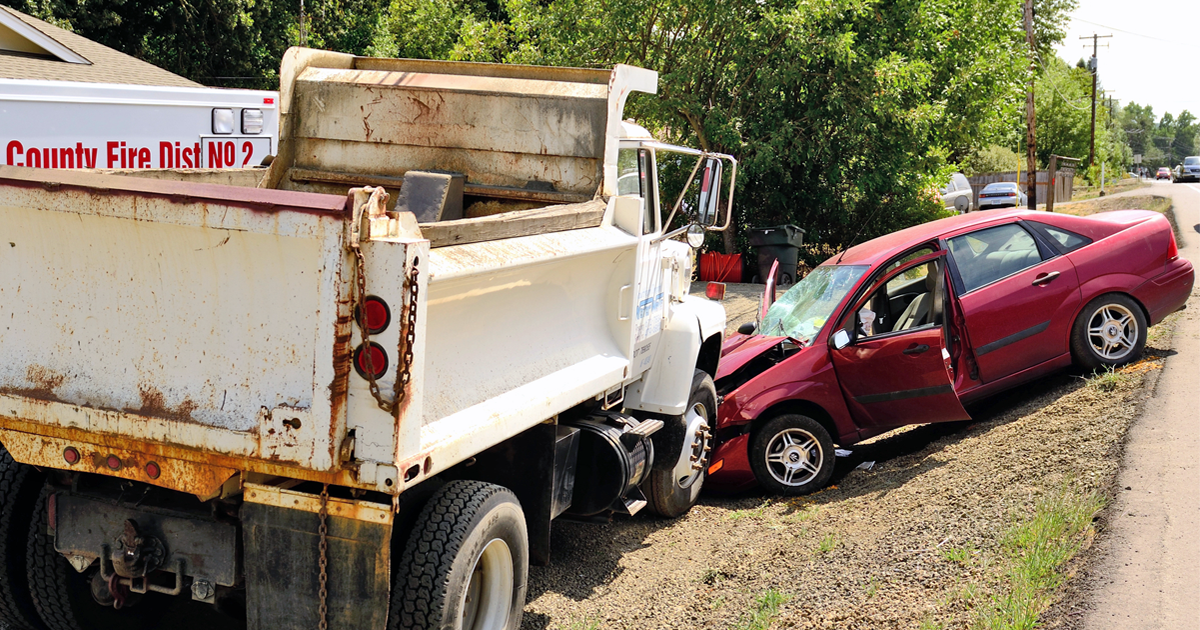
When people think about serious car accidents, they often picture congested interstates or busy Nashville intersections. While urban roads certainly experience a high number of collisions, many of the most severe crashes occur on the rural roads surrounding Middle Tennessee.
Counties surrounding Nashville feature hundreds of miles of two-lane highways, winding country roads, and narrow routes that connect small towns and growing communities. These roads often have higher speed limits, fewer safety features, and longer emergency response times, creating conditions where even a single mistake can lead to devastating consequences.
Whether traveling through Williamson, Wilson, Rutherford, Cheatham, Dickson, Sumner, Robertson, or other nearby counties, drivers should understand why rural roads present unique risks.

Higher Speeds Leave Less Room for Error
One of the biggest differences between rural roads and city streets is speed.
Many rural highways have speed limits of 55 miles per hour or higher. While these roads may appear less congested, higher speeds significantly reduce a driver's ability to react to unexpected hazards.
A vehicle traveling at highway speeds requires considerably more distance to stop than one traveling through a neighborhood or business district. If another vehicle suddenly turns, wildlife enters the roadway, or traffic stops unexpectedly, drivers have far less time to avoid a collision.
Higher speeds also increase the force of impact, making injuries much more severe when accidents occur.
Two-Lane Roads Increase the Risk of Head-On Collisions
Many roads outside Nashville consist of only one lane in each direction.
Without a physical median separating traffic, drivers rely entirely on one another to remain within their lanes. A moment of distraction, fatigue, or impairment can cause a vehicle to drift across the center line, leading to a head-on collision.
Head-on crashes remain among the deadliest types of motor vehicle accidents because the combined force of two moving vehicles creates an extremely violent impact.
Passing slower vehicles on two-lane highways can also increase the risk of serious accidents when drivers misjudge oncoming traffic or attempt unsafe passing maneuvers.
Curves, Hills, and Limited Visibility Create Additional Hazards
Unlike many city streets that follow predictable layouts, rural roads often wind through rolling hills, wooded areas, and farmland.
Sharp curves may limit a driver's ability to see approaching vehicles, while hills can hide stopped traffic or slow-moving farm equipment until the last moment.
Limited visibility becomes even more dangerous during rain, fog, or nighttime driving when headlights may not illuminate hazards until drivers are already too close to react safely.
Drivers unfamiliar with rural roads may underestimate these conditions, particularly when relying heavily on GPS directions instead of paying attention to changing roadway characteristics.
Wildlife Is a Constant Concern
Middle Tennessee's rural areas are home to abundant wildlife, particularly deer.
Deer are most active during dawn and dusk, when visibility is already reduced. A deer crossing the roadway can force drivers to brake suddenly or swerve into oncoming traffic.
While striking an animal can cause significant vehicle damage, losing control while attempting to avoid wildlife may result in collisions that are even more serious.
Drivers should remain especially alert in wooded areas where deer crossing signs are posted and reduce speed whenever visibility is limited.
Farm Equipment and Slow-Moving Vehicles
Unlike interstate highways, rural roads often serve agricultural communities.
Drivers may unexpectedly encounter tractors, combines, hay equipment, horse trailers, or other slow-moving vehicles sharing the roadway.
These vehicles may travel well below the posted speed limit, creating situations where approaching drivers must slow quickly or safely wait for an opportunity to pass.
Impatience often contributes to accidents when motorists attempt dangerous passing maneuvers without sufficient visibility or distance.
Distracted and Fatigued Driving Become More Dangerous
Long stretches of open roadway may create a false sense of security.
Some drivers become less attentive when traffic appears light, leading them to check text messages, adjust navigation systems, or engage in other distractions.
Fatigue also becomes a greater concern on lengthy rural drives. Drivers traveling late at night or after long workdays may experience slower reaction times, reduced awareness, and even microsleep episodes lasting only a few seconds.
At highway speeds, a vehicle can travel hundreds of feet while a driver is distracted or asleep.
Emergency Response Times May Be Longer
One factor that often makes rural crashes more serious is delayed emergency response.
Accidents occurring several miles from the nearest town may take longer for law enforcement, firefighters, and emergency medical personnel to reach.
Cell phone service can also be inconsistent in some rural areas, making it more difficult for injured drivers to call for help immediately.
Longer response times may delay medical treatment for serious injuries, making prompt emergency notification especially important whenever a rural accident occurs.
Common Injuries in Rural Road Accidents
Because many rural crashes involve high speeds or head-on impacts, injuries are often severe.
Victims may suffer traumatic brain injuries, spinal cord injuries, broken bones, internal organ damage, severe lacerations, and permanent disabilities.
Vehicle rollovers are also more common on narrow shoulders and uneven terrain. Occupants may experience multiple impacts during a rollover, increasing the likelihood of catastrophic injuries.
Even individuals who initially feel fine should seek medical evaluation, as adrenaline can temporarily mask symptoms following a serious collision.
What to Do After a Rural Road Accident
If you are involved in a crash on a rural roadway, your first priority should always be safety.
Call 911 as soon as possible and provide the most accurate location you can. Nearby mile markers, road signs, GPS coordinates, or intersections can help emergency responders locate the accident more quickly.
Remain inside your vehicle if it is unsafe to stand near traffic unless remaining inside presents a greater danger.
Document the accident scene if you are physically able, including roadway conditions, weather, vehicle damage, and any hazards that may have contributed to the collision.
Accept medical evaluation even if injuries seem minor, and continue following all recommended treatment.
Determining Liability Can Be Complex
Many rural road accidents involve circumstances that require careful investigation.
Liability may involve distracted driving, speeding, impaired driving, unsafe passing, defective vehicle components, improperly maintained roads, or commercial vehicles operating in rural areas.
Evidence such as accident reconstruction, witness statements, vehicle inspections, electronic data, and roadway conditions may all play important roles in determining exactly how the crash occurred.
Preserving this evidence early can strengthen an injury claim and help establish responsibility.
How Bart Durham Injury Law Assists Rural Accident Victims
Recovering after a serious rural road accident often involves significant medical treatment, insurance negotiations, and financial uncertainty. Bart Durham Injury Law has represented injured Tennesseans for decades, helping individuals and families pursue compensation after car accidents throughout Nashville and the surrounding Middle Tennessee communities.
We understand the unique challenges that rural crashes present and work to help clients seek compensation for medical expenses, lost wages, pain and suffering, and other damages resulting from another party's negligence.
If you or someone you love has been injured on a rural road near Nashville, Bart Durham Injury Law can evaluate your case, explain your legal options, and help you pursue the compensation you may be entitled to receive.