---
title: "Two-Lane Rural Highway Accidents: What Drivers Should Know"
description: Learn about the dangers of two-lane highways in rural areas, common accident causes, and what to do after a crash to protect your rights.
image: https://news.bartdurham.com/hubfs/Two-Lane-Rural-Highway-Accident.png
---
[](https://bartdurham.com/)
- Our Law Firm
- [About Us](https://bartdurham.com/about-us/)
- [Remembering Bart](https://bartdurham.com/about-us/meet-bart/)
- [Our Team](https://bartdurham.com/our-team)
- [Community Service](https://bartdurham.com/category/community-celebrations)
- [Attorneys](https://bartdurham.com/attorneys/)
- [Blair Durham](https://bartdurham.com/attorneys/blair-durham/)
- [Chaucey Fuller](https://bartdurham.com/attorneys/chaucey-fuller/)
- [Rich Cassidy](https://bartdurham.com/attorneys/rich-cassidy/)
- [Annie Berry](https://bartdurham.com/attorneys/annie-berry-2/)
- News
- [News](https://news.bartdurham.com/blog)
- [Resource Center](https://bartdurham.com/personal-injury-law-resource-center/)
- [FAQ](https://bartdurham.com/faq/)
- [Videos](https://bartdurham.com/videos/)
- [The Law, Your Insurance & Your Rights](https://bartdurham.com/personal-injury-lawyer/the-law-your-insurance-your-rights/)
- [Our Case Results](https://bartdurham.com/results/)
- Areas of Practice
- [Automobile Accidents](https://bartdurham.com/automobile-accidents/)
- [Car Accidents](https://bartdurham.com/automobile-accidents/car-accidents/)
- [Truck Accidents](https://bartdurham.com/automobile-accidents/truck-accidents/)
- [Public Transportation and Commercial Vehicle Accidents](https://bartdurham.com/automobile-accidents/public-transportation-and-commercial-vehicle-accidents/)
- [Motorcycle Accidents](https://bartdurham.com/automobile-accidents/motorcycle-accidents/)
- More
- [Pedestrian Accidents](https://bartdurham.com/automobile-accidents/pedestrian-accidents/)
- [DUI Accidents](https://bartdurham.com/automobile-accidents/dui-accidents-injuries/)
- [Rear End Collisions](https://bartdurham.com/automobile-accidents/rear-end-collisions/)
- [Rollover Accidents](https://bartdurham.com/automobile-accidents/car-accidents/one-car-accidents/vehicle-rollover/)
- [Personal Injury Lawyer](https://bartdurham.com/personal-injury-lawyer/)
- [Catastrophic Injuries](https://bartdurham.com/personal-injury-lawyer/catastrophic-injuries/)
- [Workplace Accidents](https://bartdurham.com/personal-injury-lawyer/workplace-injury-lawyers/)
- [Product Liability](https://bartdurham.com/personal-injury-lawyer/product-liability-lawyer/)
- [Medical Malpractice](https://bartdurham.com/personal-injury-lawyer/medical-malpractice-lawyer/)
- [Recalls](https://bartdurham.com/recalls/)
- [Farm Equipment Injury](https://bartdurham.com/personal-injury-lawyer/kentucky-farm-equipment-injury/)
- [Contact Us](https://bartdurham.com/contact/)
800.844.1712
- Our Law Firm
- [About Us](https://bartdurham.com/about-us/)
- [Remembering Bart](https://bartdurham.com/about-us/meet-bart/)
- [Our Team](https://bartdurham.com/our-team)
- [Community Service](https://bartdurham.com/category/community-celebrations)
- [Attorneys](https://bartdurham.com/attorneys/)
- [Blair Durham](https://bartdurham.com/attorneys/blair-durham/)
- [Chaucey Fuller](https://bartdurham.com/attorneys/chaucey-fuller/)
- [Rich Cassidy](https://bartdurham.com/attorneys/rich-cassidy/)
- [Annie Berry](https://bartdurham.com/attorneys/annie-berry-2/)
- News
- [News](https://news.bartdurham.com/blog)
- [Resource Center](https://bartdurham.com/personal-injury-law-resource-center/)
- [FAQ](https://bartdurham.com/faq/)
- [Videos](https://bartdurham.com/videos/)
- [The Law, Your Insurance & Your Rights](https://bartdurham.com/personal-injury-lawyer/the-law-your-insurance-your-rights/)
- [Our Case Results](https://bartdurham.com/results/)
- Areas of Practice
- [Automobile Accidents](https://bartdurham.com/automobile-accidents/)
- [Car Accidents](https://bartdurham.com/automobile-accidents/car-accidents/)
- [Truck Accidents](https://bartdurham.com/automobile-accidents/truck-accidents/)
- [Public Transportation and Commercial Vehicle Accidents](https://bartdurham.com/automobile-accidents/public-transportation-and-commercial-vehicle-accidents/)
- [Motorcycle Accidents](https://bartdurham.com/automobile-accidents/motorcycle-accidents/)
- More
- [Pedestrian Accidents](https://bartdurham.com/automobile-accidents/pedestrian-accidents/)
- [DUI Accidents](https://bartdurham.com/automobile-accidents/dui-accidents-injuries/)
- [Rear End Collisions](https://bartdurham.com/automobile-accidents/rear-end-collisions/)
- [Rollover Accidents](https://bartdurham.com/automobile-accidents/car-accidents/one-car-accidents/vehicle-rollover/)
- [Personal Injury Lawyer](https://bartdurham.com/personal-injury-lawyer/)
- [Catastrophic Injuries](https://bartdurham.com/personal-injury-lawyer/catastrophic-injuries/)
- [Workplace Accidents](https://bartdurham.com/personal-injury-lawyer/workplace-injury-lawyers/)
- [Product Liability](https://bartdurham.com/personal-injury-lawyer/product-liability-lawyer/)
- [Medical Malpractice](https://bartdurham.com/personal-injury-lawyer/medical-malpractice-lawyer/)
- [Recalls](https://bartdurham.com/recalls/)
- [Farm Equipment Injury](https://bartdurham.com/personal-injury-lawyer/kentucky-farm-equipment-injury/)
- [Contact Us](https://bartdurham.com/contact/)
[](https://bartdurham.com/)
# Two-Lane Rural Highway Accidents: What Drivers Should Know
[Bart Durham Injury Law](https://news.bartdurham.com/blog/author/bart-durham-injury-law) [Kentucky](https://news.bartdurham.com/blog/tag/kentucky), [Motorcycle Accident](https://news.bartdurham.com/blog/tag/motorcycle-accident), [Tennessee](https://news.bartdurham.com/blog/tag/tennessee), [Accident](https://news.bartdurham.com/blog/tag/accident), [Farming](https://news.bartdurham.com/blog/tag/farming), [Alabama](https://news.bartdurham.com/blog/tag/alabama)
## Two-Lane Rural Highway Accidents: What Drivers Should Know
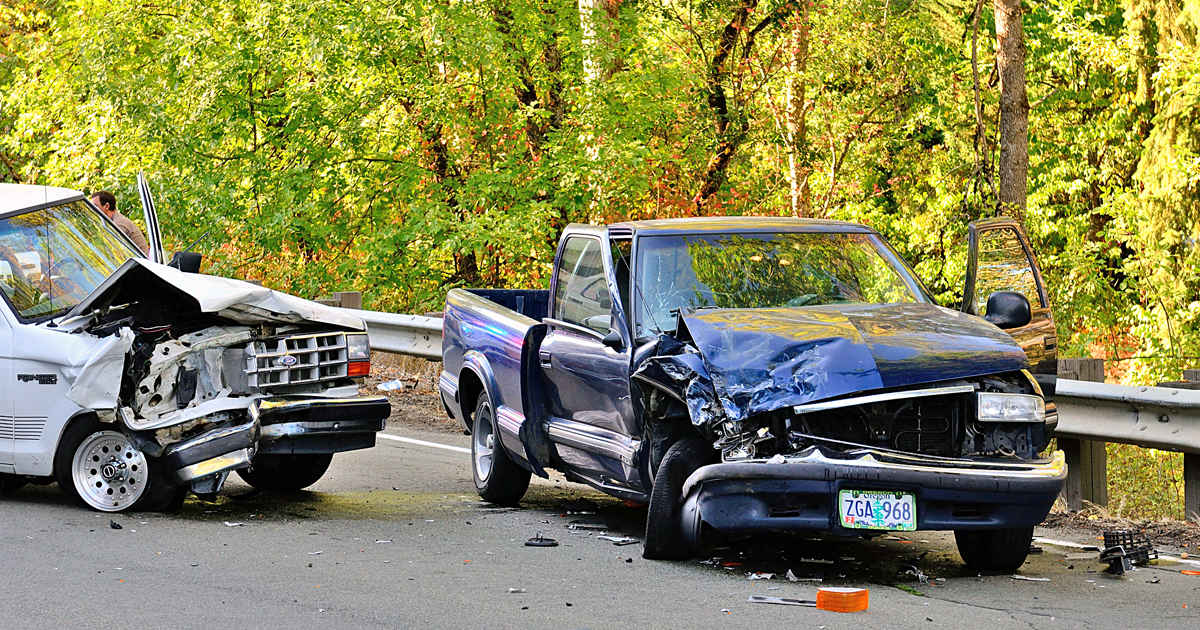
Unlike multi-lane roadways, two-lane highways leave very little room for driver error. A single mistake, whether it involves distraction, speeding, fatigue, or impaired driving, can quickly become a head-on collision or a crash involving multiple vehicles.
Understanding the risks associated with these roads can help motorists make safer decisions while also knowing what to do if [an accident](https://bartdurham.com/automobile-accidents/) occurs.
[](https://cta-redirect.hubspot.com/cta/redirect/4679191/2068e0cc-58dd-4f38-bef9-664c5eee181a)
## Why Two-Lane Highways Can Be More Dangerous
At first glance, two-lane highways may seem safer because traffic moves at a slower pace than on an interstate. However, many of these roads have speed limits between 45 and 65 miles per hour, and opposing traffic is often separated only by a painted center line.
Drivers have fewer opportunities to avoid hazards. There is typically little shoulder space, limited lighting, narrow lanes, and fewer protected intersections. Curves, hills, and wooded areas can also reduce visibility, making it difficult to react when another driver makes a mistake.
[Many rural highways travel through agricultural areas](https://news.bartdurham.com/blog/truck-accidents-on-country-roads), where farm equipment, wildlife, and changing road conditions create additional hazards throughout the year.
## Common Causes of Two-Lane Highway Accidents
Many crashes on two-lane roads occur because drivers underestimate the conditions around them.
Unsafe passing is one of the leading causes of serious accidents. Drivers may attempt to pass slower vehicles without enough visibility or distance to safely complete the maneuver. When an oncoming vehicle suddenly appears, a head-on collision can occur within seconds.
[Distracted driving](https://news.bartdurham.com/blog/distracted-driving-its-much-worse-than-you-think) continues to contribute to crashes across Tennessee. Looking down at a phone, adjusting navigation, or even changing the radio for just a few seconds may cause a vehicle to drift across the center line.
[](https://cta-redirect.hubspot.com/cta/redirect/4679191/11faa6bd-175e-46a1-bcc2-214f8d313c47)
Speeding also creates significant risks. Higher speeds reduce reaction time while increasing the severity of injuries when an impact occurs. Even driving the posted speed limit may be unsafe during rain, fog, or other poor weather conditions.
[Driver fatigue](https://news.bartdurham.com/blog/have-you-been-involved-in-a-delivery-trucking-accident) is another common factor, particularly on long stretches of rural highways. A tired driver may experience slower reaction times or even briefly fall asleep behind the wheel.
Impaired driving remains one of the most dangerous causes of serious crashes. Alcohol and drugs reduce judgment, coordination, and reaction time, increasing the likelihood of crossing into oncoming traffic or failing to negotiate curves safely.
## Types of Collisions That Occur on Rural Highways
Two-lane roads produce several types of serious accidents.
Head-on collisions are among the most severe because both vehicles are often traveling at highway speeds. These crashes frequently result in catastrophic injuries or fatalities.
Sideswipe accidents may happen when a driver drifts over the center line or attempts an unsafe pass. While they may initially appear less severe, they can cause drivers to lose control and leave the roadway.
[](https://cta-redirect.hubspot.com/cta/redirect/4679191/2068e0cc-58dd-4f38-bef9-664c5eee181a)
[Rear-end collisions](https://bartdurham.com/automobile-accidents/rear-end-collisions/) also occur, particularly when one driver suddenly slows to turn into a driveway or side road. Limited visibility over hills or around curves can make these crashes more difficult to avoid.
Single-vehicle accidents are common as well. Drivers may overcorrect after leaving the pavement, strike trees or utility poles, or lose control while attempting to avoid animals crossing the road.
## Unique Hazards Throughout Middle Tennessee
Middle Tennessee presents several roadway conditions that differ from more urban areas.
Rolling hills can block visibility of approaching vehicles. Curved roads through wooded areas reduce sight distance even further.
[Heavy rain](https://news.bartdurham.com/blog/2017/03/five-tips-for-driving-in-the-rain) can create standing water, while early morning fog often settles in valleys, making visibility extremely limited. During the fall, wet leaves can reduce tire traction, while winter weather occasionally brings ice to bridges and elevated roadways before other surfaces freeze.
[](https://cta-redirect.hubspot.com/cta/redirect/4679191/11faa6bd-175e-46a1-bcc2-214f8d313c47)
[Wildlife also presents a significant hazard](https://news.bartdurham.com/blog/different-types-of-road-hazards-to-look-out-for). Deer are particularly active during dawn and dusk and can enter the roadway with little warning.
Many rural highways also contain numerous private driveways, hidden entrances, and farm access roads where vehicles may unexpectedly enter traffic.
## Injuries Frequently Seen in Two-Lane Highway Accidents
Because many of these crashes occur at higher speeds, injuries are often severe.
Victims commonly suffer traumatic brain injuries, spinal cord injuries, broken bones, internal bleeding, chest injuries, and significant soft tissue damage.
Recovery may require surgery, lengthy rehabilitation, physical therapy, and ongoing medical treatment. Some injuries permanently affect a person's ability to work or participate in everyday activities.
The emotional effects of a serious collision can also be substantial.
Anxiety, depression, and post-traumatic stress are common after major accidents and may require professional treatment alongside physical recovery.
[](https://cta-redirect.hubspot.com/cta/redirect/4679191/2068e0cc-58dd-4f38-bef9-664c5eee181a)
## What To Do Immediately After a Crash
The moments following a collision can be confusing, but taking the right steps may protect both your health and any future insurance or legal claim.
If possible, move to a safe location and call 911 immediately. Even if injuries seem minor, emergency responders should evaluate everyone involved.
Exchange information with the other driver, but avoid discussing fault or apologizing for the accident. At the scene, very few people know exactly how or why the collision occurred.
Photographs of vehicle damage, road conditions, skid marks, traffic signs, weather conditions, and visible injuries may become valuable evidence later.
Witnesses should also be identified whenever possible before they leave the scene.
Seeking medical treatment promptly is equally important. Some serious injuries, including concussions and internal injuries, may not produce immediate symptoms.
## Why Early Investigation Matters
Evidence from highway accidents can disappear quickly.
Vehicle damage is repaired or discarded. Tire marks fade. Surveillance footage may be erased. Witness memories become less reliable over time.
Obtaining crash reports, reviewing photographs, preserving vehicle evidence, and consulting accident reconstruction experts can all help establish what occurred.
## When to Contact Bart Durham Injury Law
Since 1975, Bart Durham Injury Law has helped clients pursue maximum compensation while handling the legal process on their behalf.
If you’ve been hurt in an accident and need guidance on preserving critical evidence, **Bart Durham Injury Law** can help. Our team knows what it takes to protect your rights.
Our team offers a **FREE** initial consultation and works on a contingency-fee basis — which means **you owe us nothing unless we win** [compensation for you](https://bartdurham.com/results/)!
[](https://cta-redirect.hubspot.com/cta/redirect/4679191/11faa6bd-175e-46a1-bcc2-214f8d313c47)
[](https://bartdurham.com/contact/)
---
#### Tag:
[Kentucky](https://news.bartdurham.com/blog/tag/kentucky) [Motorcycle Accident](https://news.bartdurham.com/blog/tag/motorcycle-accident) [Tennessee](https://news.bartdurham.com/blog/tag/tennessee) [Accident](https://news.bartdurham.com/blog/tag/accident) [Farming](https://news.bartdurham.com/blog/tag/farming) [Alabama](https://news.bartdurham.com/blog/tag/alabama)
#### Share:
- [Follow us on Facebook](http://www.facebook.com/share.php?u=https://news.bartdurham.com/blog/two-lane-highway-accidents-what-drivers-should-know)
-
- [Follow us on Linkedin](http://www.linkedin.com/shareArticle?mini=true&url=https://news.bartdurham.com/blog/two-lane-highway-accidents-what-drivers-should-know)
- [Follow us on Pinterest](http://pinterest.com/pin/create/button/?url=https://news.bartdurham.com/blog/two-lane-highway-accidents-what-drivers-should-know&text=Two-Lane%20Rural%20Highway%20Accidents:%20What%20Drivers%20Should%20Knowdescription=Unlike%20multi-lane%20roadways,%20two-lane%20highways%20leave%20very%20little%20room%20for%20driver%20error.%20A%20single%20mistake,%20whether%20it%20involves%20distraction,%20speeding,%20fatigue,%20or[...]&media=https://news.bartdurham.com/hubfs/Two-Lane-Rural-Highway-Accident.png)
---
#### [After the Ice Storm: A Nashville Family's Fight With Their Insurance Previous Post](https://news.bartdurham.com/blog/nashville-ice-storm-insurance-claim-dispute)
This is a search field with an auto-suggest feature attached.
- There are no suggestions because the search field is empty.
### Category
- [Car Accidents (479)](https://news.bartdurham.com/blog/tag/car-accidents)
- [Accident (291)](https://news.bartdurham.com/blog/tag/accident)
- [Dangerous or Defective Drugs (259)](https://news.bartdurham.com/blog/tag/dangerous-or-defective-drugs)
- [Big Truck Accidents (185)](https://news.bartdurham.com/blog/tag/big-truck-accidents)
- [Design & Manufacturing Defects (184)](https://news.bartdurham.com/blog/tag/design-manufacturing-defects)
### Popular Posts
[Bart Durham Injury Law](https://news.bartdurham.com/blog/author/bart-durham-injury-law) 01/29/2024 [Dangerous or Defective Drugs](https://news.bartdurham.com/blog/tag/dangerous-or-defective-drugs), [Injuries](https://news.bartdurham.com/blog/tag/injuries), [Mass Tort](https://news.bartdurham.com/blog/tag/mass-tort), [Personal Injury Lawyer](https://news.bartdurham.com/blog/tag/personal-injury-lawyer)
[Ozempic, Wegovy, Rybelsus, Saxenda, Mounjaro, and Trulicity Linked to Gastroparesis and Stomach Paralysis](https://news.bartdurham.com/blog/ozempic-wegovy-rybelsus-saxenda-mounjaro-and-trulicity-linked-to-gastroparesis-and-stomach-paralysis)
[Bart Durham Injury Law](https://news.bartdurham.com/blog/author/bart-durham-injury-law) 01/28/2025 [Car Accidents](https://news.bartdurham.com/blog/tag/car-accidents), [Kentucky](https://news.bartdurham.com/blog/tag/kentucky), [Tennessee](https://news.bartdurham.com/blog/tag/tennessee), [Big Truck Accidents](https://news.bartdurham.com/blog/tag/big-truck-accidents), [Accident](https://news.bartdurham.com/blog/tag/accident), [Personal Injury Lawyer](https://news.bartdurham.com/blog/tag/personal-injury-lawyer), [Commercial Vehicle Accidents](https://news.bartdurham.com/blog/tag/commercial-vehicle-accidents)
[Do These 5 Things After a Big Truck Wreck](https://news.bartdurham.com/blog/2017/06/do-these-5-things-after-a-big-truck-wreck)
[Bart Durham Injury Law](https://news.bartdurham.com/blog/author/bart-durham-injury-law) 01/31/2025 [Car Accidents](https://news.bartdurham.com/blog/tag/car-accidents), [Drunk Driving Accidents](https://news.bartdurham.com/blog/tag/drunk-driving-accidents), [Fatal Accidents](https://news.bartdurham.com/blog/tag/fatal-accidents), [Accident](https://news.bartdurham.com/blog/tag/accident)
[Common Car Accidents (And Who's at Fault)](https://news.bartdurham.com/blog/common-car-accidents-and-whos-at-fault)
[Bart Durham Injury Law](https://news.bartdurham.com/blog/author/bart-durham-injury-law) 12/08/2023 [Driver Negligence](https://news.bartdurham.com/blog/tag/driver-negligence), [Fatal Accidents](https://news.bartdurham.com/blog/tag/fatal-accidents), [Kentucky](https://news.bartdurham.com/blog/tag/kentucky), [Tennessee](https://news.bartdurham.com/blog/tag/tennessee), [Big Truck Accidents](https://news.bartdurham.com/blog/tag/big-truck-accidents), [New Car](https://news.bartdurham.com/blog/tag/new-car), [Distracted Driving](https://news.bartdurham.com/blog/tag/distracted-driving), [Personal Injury Lawyer](https://news.bartdurham.com/blog/tag/personal-injury-lawyer), [Commercial Vehicle Accidents](https://news.bartdurham.com/blog/tag/commercial-vehicle-accidents)
[Wrecks with Delivery Drivers Require Personal Injury Professionals](https://news.bartdurham.com/blog/wrecks-with-delivery-drivers-require-personal-injury-professionals)
---

Bart Durham Injury Law
406 11th Avenue North, Suite 200
Nashville, TN 37203
- [Toll Free: 800-844-1712](tel:800-844-1712)
- [Phone: 615-242-9000](tel:615-242-9000)
- Fax: 615-254-6562
- [Nashville Law Office Map](https://maps.app.goo.gl/TNSQJU4WHTovJQdN7)
- [Kentucky Law Office Map](https://maps.app.goo.gl/feadMtHztUmSUpXm6)
- [Toll Free: 800-844-1712](tel:800-844-1712)
- [Phone: 615-242-9000](tel:615-242-9000)
- Fax: 615-254-6562
- [Nashville Law Office Map](https://maps.app.goo.gl/TNSQJU4WHTovJQdN7)
- [Kentucky Law Office Map](https://maps.app.goo.gl/feadMtHztUmSUpXm6)
[Write a Review](https://www.locationrater.com/tp/5xloZz/)
Tell us how we are doing.
We are interested in your feedback.
© 2023 by Bart Durham Injury Law. All rights reserved.
[Disclaimer](https://bartdurham.com/disclaimer/) | [Kentucky Disclaimer](https://bartdurham.com/disclaimer-ky/) | [Site Map](https://bartdurham.com/sitemap) | [Privacy Policy](https://bartdurham.com/privacy-policy/)
Some services may be performed by others.
Horton - [Nashville Web Design](https://www.hortongroup.com/web-design) & [SEO Services](https://www.hortongroup.com/nashville-seo)
[](https://www.thelawyersofdistinction.com/profile/blair-durham/)
[](https://business.mybaseguide.com/business/bartdurhaminjurylaw_5655ed245c37)
[](http://thenationaltriallawyers.org/)
[](https://www.forbes.com/advisor/legal/personal-injury/best-personal-injury-lawyers-nashville-tn/?award=best-personal-injury-lawyers-nashville-tn-award-2024-blair-p-durham)
```json
{
"@context" : "https://schema.org",
"@type" : "BlogPosting",
"author" : {
"@type" : "Person",
"name" : "Bart Durham Injury Law",
"url" : "https://news.bartdurham.com/blog/author/bart-durham-injury-law"
},
"dateModified" : "2026-08-31T16:07:57.528Z",
"datePublished" : "2026-08-31T16:07:46.000Z",
"headline" : "Two-Lane Rural Highway Accidents: What Drivers Should Know",
"image" : [ "https://news.bartdurham.com/hubfs/Two-Lane-Rural-Highway-Accident.png" ],
"mainEntityOfPage" : {
"@id" : "https://news.bartdurham.com/blog/two-lane-highway-accidents-what-drivers-should-know",
"@type" : "WebPage"
},
"publisher" : {
"@type" : "Organization",
"logo" : {
"@type" : "ImageObject",
"url" : "https://news.bartdurham.com/hubfs/BD-VECTOR_MAIN-NAV-LOGO-WHITE.png"
},
"name" : "Bart Durham Injury Law"
}
}
```