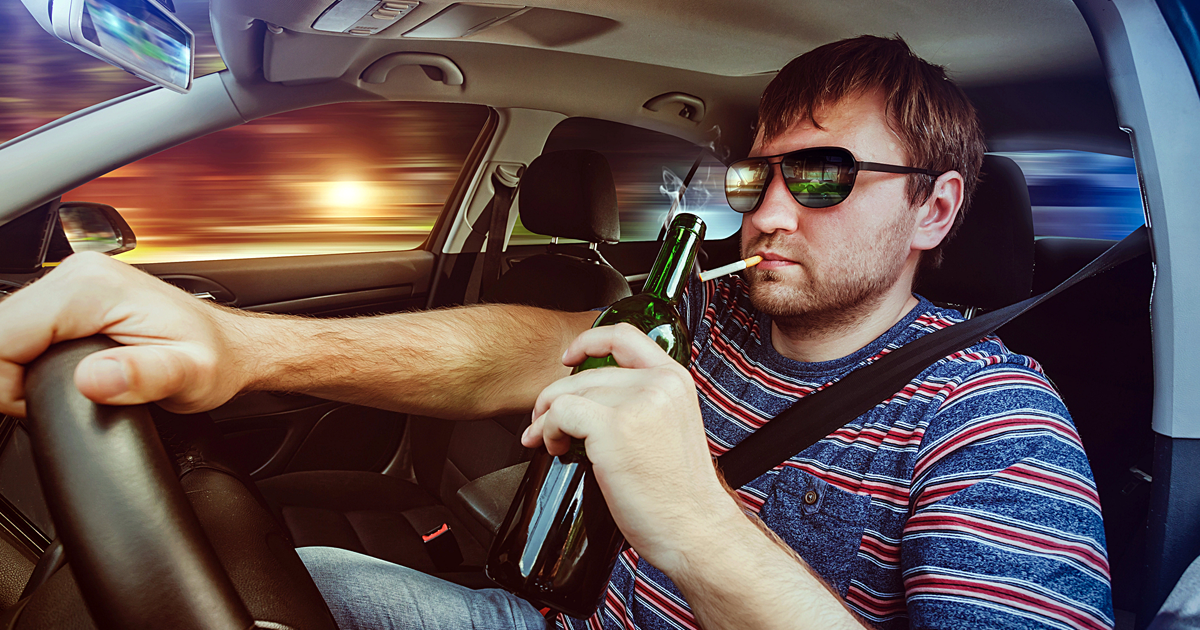
Nashville welcomes millions of visitors each year, and the summer months are among the city's busiest.
Concerts, festivals, sporting events, rooftop bars, and the famous honky-tonks along Lower Broadway attract both tourists and locals looking to enjoy Music City. While this vibrant nightlife contributes to Nashville's economy, it also brings increased traffic congestion and a greater risk of impaired driving accidents.
Drunk driving crashes can happen anywhere, but collisions in downtown Nashville often involve unique circumstances that differ from accidents in suburban or rural areas. Heavy pedestrian traffic, rideshare vehicles, unfamiliar drivers, and crowded intersections all create additional hazards.
Understanding these risks can help motorists stay safer while also knowing what steps to take if they are injured by an impaired driver.

Why Summer Is One of Nashville's Busiest Travel Seasons
Summer marks the beginning of vacation season, bringing visitors from across the country to experience Nashville's music scene, restaurants, entertainment districts, and outdoor events.
Popular destinations such as Lower Broadway, The Gulch, Midtown, Nissan Stadium, Bridgestone Arena, and First Horizon Park generate significant vehicle and pedestrian traffic throughout the week, particularly during evenings and weekends.
Special events, conventions, bachelor and bachelorette parties, concerts, and holiday weekends can dramatically increase traffic volume in a relatively small downtown area. As more people gather for entertainment, the likelihood of impaired driving incidents also increases.
How Downtown Drunk Driving Accidents Are Different
Drunk driving accidents in downtown Nashville often involve conditions that are not as common elsewhere in Middle Tennessee.
Traffic moves through busy intersections filled with pedestrians crossing streets, cyclists sharing the road, scooters, buses, delivery vehicles, and rideshare drivers frequently stopping to pick up passengers.
An impaired driver operating in this environment has far less room for error. Delayed reaction times, poor judgment, and reduced coordination can quickly lead to collisions involving multiple vehicles or vulnerable pedestrians.
Because traffic is often slow-moving downtown, some drivers mistakenly assume serious injuries are less likely. However, impaired driving crashes can still produce significant injuries, particularly when pedestrians or motorcycles are involved.

Visitors May Be Unfamiliar With Nashville Roads
Many drivers involved in downtown accidents are unfamiliar with Nashville's streets.
Visitors often rely heavily on GPS navigation while attempting to locate hotels, parking garages, restaurants, or entertainment venues. Frequent lane changes, sudden stops, missed turns, and distracted driving become more common as motorists try to navigate unfamiliar roads.
When alcohol is added to these challenges, the risk of an accident increases substantially.
Drivers who are unfamiliar with one-way streets, pedestrian-heavy areas, and changing traffic patterns may make unsafe decisions that place others at risk.
Pedestrians Face Greater Risks
Downtown Nashville experiences a high volume of foot traffic throughout the summer.
Visitors frequently walk between bars, restaurants, concert venues, and hotels late into the evening.
Crosswalks remain busy long after sunset, and many people are crossing streets while traffic continues flowing through downtown corridors.
An impaired driver may fail to notice pedestrians entering a crosswalk or may not stop in time to avoid a collision.
Pedestrian accidents often result in catastrophic injuries because there is little protection between the individual and the vehicle.
Rideshare Traffic Creates Additional Challenges
Uber, Lyft, taxis, and shuttle services play a significant role in helping visitors avoid driving after drinking.
While rideshare services have likely prevented many impaired driving incidents, they also create additional traffic challenges.
Drivers frequently stop unexpectedly to pick up or drop off passengers, double park along busy streets, or merge suddenly into traffic.
Motorists following too closely or driving while impaired may have difficulty reacting to these unexpected movements, leading to rear-end collisions or chain-reaction crashes.
Motorcycles and Scooters Are More Vulnerable
Summer weather encourages more motorcycle riders and scooter users to travel throughout downtown Nashville.
Unlike occupants of passenger vehicles, riders have little physical protection during a collision. Even relatively low-speed crashes involving an impaired driver can cause severe injuries, including traumatic brain injuries, spinal cord injuries, fractures, and internal injuries.
Drivers should remain especially alert when sharing the road with motorcycles, bicycles, and electric scooters near entertainment districts.
Common Injuries in Downtown Drunk Driving Crashes
The injuries sustained in impaired driving accidents depend on many factors, including vehicle speed, impact angle, and whether pedestrians or motorcycles are involved.
Victims frequently suffer concussions, traumatic brain injuries, broken bones, spinal injuries, internal organ damage, facial injuries, and significant soft tissue injuries.
Recovery may require hospitalization, surgery, rehabilitation, physical therapy, and extended time away from work.
In addition to physical injuries, many victims experience emotional trauma, anxiety, or post-traumatic stress following a serious collision.
What To Do After a Suspected Drunk Driving Accident
If you believe the other driver is impaired, contact law enforcement immediately.
Officers can investigate the scene, document evidence, and determine whether the driver should undergo field sobriety testing or chemical testing under Tennessee law.
If it is safe to do so, photograph the accident scene, vehicle damage, road conditions, and any visible injuries.
Seek prompt medical treatment even if your injuries appear minor. Some conditions may not become fully apparent until hours or days after the collision.
Avoid discussing fault with the other driver, and allow investigators to determine what occurred based on the available evidence.
Civil Claims Are Separate From Criminal Charges
When a driver is arrested for driving under the influence, many accident victims assume the criminal case will automatically compensate them for their injuries.
In reality, criminal charges and personal injury claims are separate legal matters.
The criminal justice system focuses on determining whether laws were violated and whether criminal penalties should apply.
A personal injury claim addresses the financial losses suffered by the injured victim, including medical expenses, lost wages, pain and suffering, and other damages that may result from the accident.
Even if criminal charges are reduced or dismissed, an injured person may still have the right to pursue compensation through a civil claim depending on the facts of the case.
Tennessee Law May Affect Your Recovery
Tennessee follows a modified comparative fault system, meaning an injured person may generally recover damages if they are found to be less than 50 percent responsible for the accident.
Any compensation may be reduced by their percentage of fault. Insurance companies often evaluate every aspect of a collision, even when one driver is suspected of being impaired, making a thorough investigation important.
Preserving evidence and documenting the circumstances surrounding the crash can be critical when pursuing a personal injury claim.
How Bart Durham Injury Law Can Help
A drunk driving accident can leave victims facing serious injuries, mounting medical bills, lost income, and uncertainty about the future. Since 1975, Bart Durham Injury Law has represented individuals injured in car and truck wrecks.
If you’ve been hurt in an accident and need guidance on preserving critical evidence, Bart Durham Injury Law can help. Our team knows what it takes to protect your rights.
Our team offers a FREE initial consultation and works on a contingency-fee basis — which means you owe us nothing unless we win compensation for you!