---
title: "Dealing With an Insurance Adjuster After a Wreck: What Not to Say"
description: Learn what not to say to an insurance adjuster after a Tennessee car accident and how to protect your rights during the claims process.
image: https://news.bartdurham.com/hubfs/Insurance-Adjuster-wreck.png
---
[](https://bartdurham.com/)
- Our Law Firm
- [About Us](https://bartdurham.com/about-us/)
- [Remembering Bart](https://bartdurham.com/about-us/meet-bart/)
- [Our Team](https://bartdurham.com/our-team)
- [Community Service](https://bartdurham.com/category/community-celebrations)
- [Attorneys](https://bartdurham.com/attorneys/)
- [Blair Durham](https://bartdurham.com/attorneys/blair-durham/)
- [Chaucey Fuller](https://bartdurham.com/attorneys/chaucey-fuller/)
- [Rich Cassidy](https://bartdurham.com/attorneys/rich-cassidy/)
- [Annie Berry](https://bartdurham.com/attorneys/annie-berry-2/)
- News
- [News](https://news.bartdurham.com/blog)
- [Resource Center](https://bartdurham.com/personal-injury-law-resource-center/)
- [FAQ](https://bartdurham.com/faq/)
- [Videos](https://bartdurham.com/videos/)
- [The Law, Your Insurance & Your Rights](https://bartdurham.com/personal-injury-lawyer/the-law-your-insurance-your-rights/)
- [Our Case Results](https://bartdurham.com/results/)
- Areas of Practice
- [Automobile Accidents](https://bartdurham.com/automobile-accidents/)
- [Car Accidents](https://bartdurham.com/automobile-accidents/car-accidents/)
- [Truck Accidents](https://bartdurham.com/automobile-accidents/truck-accidents/)
- [Public Transportation and Commercial Vehicle Accidents](https://bartdurham.com/automobile-accidents/public-transportation-and-commercial-vehicle-accidents/)
- [Motorcycle Accidents](https://bartdurham.com/automobile-accidents/motorcycle-accidents/)
- More
- [Pedestrian Accidents](https://bartdurham.com/automobile-accidents/pedestrian-accidents/)
- [DUI Accidents](https://bartdurham.com/automobile-accidents/dui-accidents-injuries/)
- [Rear End Collisions](https://bartdurham.com/automobile-accidents/rear-end-collisions/)
- [Rollover Accidents](https://bartdurham.com/automobile-accidents/car-accidents/one-car-accidents/vehicle-rollover/)
- [Personal Injury Lawyer](https://bartdurham.com/personal-injury-lawyer/)
- [Catastrophic Injuries](https://bartdurham.com/personal-injury-lawyer/catastrophic-injuries/)
- [Workplace Accidents](https://bartdurham.com/personal-injury-lawyer/workplace-injury-lawyers/)
- [Product Liability](https://bartdurham.com/personal-injury-lawyer/product-liability-lawyer/)
- [Medical Malpractice](https://bartdurham.com/personal-injury-lawyer/medical-malpractice-lawyer/)
- [Recalls](https://bartdurham.com/recalls/)
- [Farm Equipment Injury](https://bartdurham.com/personal-injury-lawyer/kentucky-farm-equipment-injury/)
- [Contact Us](https://bartdurham.com/contact/)
800.844.1712
- Our Law Firm
- [About Us](https://bartdurham.com/about-us/)
- [Remembering Bart](https://bartdurham.com/about-us/meet-bart/)
- [Our Team](https://bartdurham.com/our-team)
- [Community Service](https://bartdurham.com/category/community-celebrations)
- [Attorneys](https://bartdurham.com/attorneys/)
- [Blair Durham](https://bartdurham.com/attorneys/blair-durham/)
- [Chaucey Fuller](https://bartdurham.com/attorneys/chaucey-fuller/)
- [Rich Cassidy](https://bartdurham.com/attorneys/rich-cassidy/)
- [Annie Berry](https://bartdurham.com/attorneys/annie-berry-2/)
- News
- [News](https://news.bartdurham.com/blog)
- [Resource Center](https://bartdurham.com/personal-injury-law-resource-center/)
- [FAQ](https://bartdurham.com/faq/)
- [Videos](https://bartdurham.com/videos/)
- [The Law, Your Insurance & Your Rights](https://bartdurham.com/personal-injury-lawyer/the-law-your-insurance-your-rights/)
- [Our Case Results](https://bartdurham.com/results/)
- Areas of Practice
- [Automobile Accidents](https://bartdurham.com/automobile-accidents/)
- [Car Accidents](https://bartdurham.com/automobile-accidents/car-accidents/)
- [Truck Accidents](https://bartdurham.com/automobile-accidents/truck-accidents/)
- [Public Transportation and Commercial Vehicle Accidents](https://bartdurham.com/automobile-accidents/public-transportation-and-commercial-vehicle-accidents/)
- [Motorcycle Accidents](https://bartdurham.com/automobile-accidents/motorcycle-accidents/)
- More
- [Pedestrian Accidents](https://bartdurham.com/automobile-accidents/pedestrian-accidents/)
- [DUI Accidents](https://bartdurham.com/automobile-accidents/dui-accidents-injuries/)
- [Rear End Collisions](https://bartdurham.com/automobile-accidents/rear-end-collisions/)
- [Rollover Accidents](https://bartdurham.com/automobile-accidents/car-accidents/one-car-accidents/vehicle-rollover/)
- [Personal Injury Lawyer](https://bartdurham.com/personal-injury-lawyer/)
- [Catastrophic Injuries](https://bartdurham.com/personal-injury-lawyer/catastrophic-injuries/)
- [Workplace Accidents](https://bartdurham.com/personal-injury-lawyer/workplace-injury-lawyers/)
- [Product Liability](https://bartdurham.com/personal-injury-lawyer/product-liability-lawyer/)
- [Medical Malpractice](https://bartdurham.com/personal-injury-lawyer/medical-malpractice-lawyer/)
- [Recalls](https://bartdurham.com/recalls/)
- [Farm Equipment Injury](https://bartdurham.com/personal-injury-lawyer/kentucky-farm-equipment-injury/)
- [Contact Us](https://bartdurham.com/contact/)
[](https://bartdurham.com/)
# Dealing With an Insurance Adjuster After a Wreck: What Not to Say
[Bart Durham Injury Law](https://news.bartdurham.com/blog/author/bart-durham-injury-law) [Car Accidents](https://news.bartdurham.com/blog/tag/car-accidents), [Injuries](https://news.bartdurham.com/blog/tag/injuries), [Insurance](https://news.bartdurham.com/blog/tag/insurance), [Kentucky](https://news.bartdurham.com/blog/tag/kentucky), [Legal Help](https://news.bartdurham.com/blog/tag/legal-help), [Motorcycle Accident](https://news.bartdurham.com/blog/tag/motorcycle-accident), [Tennessee](https://news.bartdurham.com/blog/tag/tennessee), [Big Truck Accidents](https://news.bartdurham.com/blog/tag/big-truck-accidents), [Accident](https://news.bartdurham.com/blog/tag/accident), [Distracted Driving](https://news.bartdurham.com/blog/tag/distracted-driving), [Liability](https://news.bartdurham.com/blog/tag/liability), [Investigation](https://news.bartdurham.com/blog/tag/investigation), [Commercial Vehicle Accidents](https://news.bartdurham.com/blog/tag/commercial-vehicle-accidents)
## Dealing With an Insurance Adjuster After a Wreck: What Not to Say
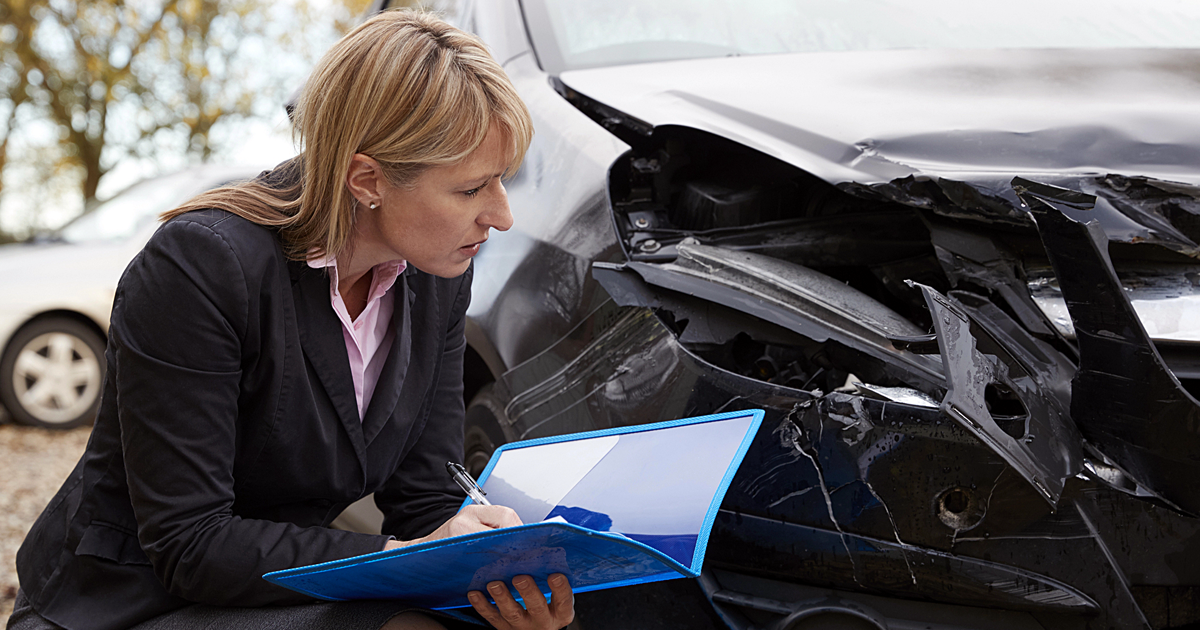
After a [car accident in Tennessee](https://bartdurham.com/automobile-accidents/car-accidents/), one of the first phone calls many people receive is from an insurance adjuster. While the conversation may seem routine, it is important to remember that the adjuster represents the insurance company, not you. Their role is to investigate the claim, determine liability, and evaluate how much the company may ultimately pay.
Most adjusters are professional and courteous, but even innocent comments made during these early conversations can affect your claim. Understanding what information should be shared, what should be avoided, and when to seek legal guidance can help protect your interests after an accident.
[](https://cta-redirect.hubspot.com/cta/redirect/4679191/2068e0cc-58dd-4f38-bef9-664c5eee181a)
## Why Insurance Adjusters Contact You So Quickly
[Insurance companies](https://news.bartdurham.com/blog/understanding-your-car-insurance) often begin investigating a crash immediately after receiving notice of an accident. In some cases, an adjuster may contact you within a day or two while you are still recovering from your injuries.
Early contact allows the insurance company to gather facts before memories fade, but it also gives them an opportunity to obtain statements before the full extent of your injuries or damages becomes clear.
Many accident victims assume the adjuster is simply trying to help move the process along. While they do need information to evaluate the claim, it is important to remember that they are also working to protect the financial interests of the insurance company.
## Avoid Admitting Fault
One of the most important things to avoid is admitting responsibility for the accident.
Even saying something as simple as "I'm sorry" or "I didn't see the other driver" can later be interpreted as accepting fault, even if you were simply expressing concern or describing what happened.
In many accidents, liability is not immediately clear. Road conditions, traffic signals, witness statements, vehicle data, and police investigations all contribute to determining what actually occurred.
Instead of speculating, provide factual information and [allow the investigation to determine responsibility](https://news.bartdurham.com/blog/common-car-accidents-and-whos-at-fault).
[](https://cta-redirect.hubspot.com/cta/redirect/4679191/11faa6bd-175e-46a1-bcc2-214f8d313c47)
## Don't Guess About What Happened
Immediately following a collision, it is common for drivers to feel shaken or confused. You may not remember every detail accurately.
If an adjuster asks questions about vehicle speed, distances, reaction times, or other specifics that you are unsure about, avoid guessing.
It is perfectly acceptable to say that you do not know or that [you are still waiting for additional information](https://news.bartdurham.com/blog/tips-for-gathering-evidence-after-a-car-wreck).
Providing inaccurate estimates may create inconsistencies that could later be used to challenge your credibility.
## Avoid Saying You Are 'Fine'
Many injuries are not immediately obvious after a crash.
Adrenaline can temporarily mask pain, causing people to believe they escaped serious injury. Hours or even days later, symptoms involving the neck, back, head, or internal injuries may begin to appear.
If an adjuster asks how you are feeling shortly after the accident, [avoid saying that you are completely fine](https://news.bartdurham.com/blog/tips-for-gathering-evidence-after-a-car-wreck) if you have not yet been fully evaluated by a medical professional.
Instead, explain that you are still being assessed or are continuing medical treatment.
## Do Not Minimize Your Injuries
Some people naturally downplay their discomfort because they do not want to appear dramatic.
Comments such as "It's just a little soreness" or "I'll probably be okay tomorrow" may later be referenced if your injuries worsen.
[Medical conditions often evolve](https://news.bartdurham.com/blog/after-the-wreck-hidden-injuries-and-when-to-get-care) over time. Soft tissue injuries, concussions, herniated discs, and other conditions may not be fully diagnosed until additional testing is completed.
[Allow your medical records and physicians to document your injuries](https://news.bartdurham.com/blog/why-you-should-always-go-to-a-doctor-after-a-car-accident) rather than attempting to describe their long-term severity yourself.
[](https://cta-redirect.hubspot.com/cta/redirect/4679191/2068e0cc-58dd-4f38-bef9-664c5eee181a)
## Be Careful About Recorded Statements
Insurance adjusters sometimes ask accident victims to [provide a recorded statement](https://news.bartdurham.com/blog/2017/05/should-i-give-a-recorded-statement-if-ive-been-in-a-car-wreck).
While you may be required to cooperate with your own insurance company under your policy, you are generally not obligated to provide a recorded statement to the other driver's insurance company immediately after the accident.
Recorded statements can become part of the claim file and may later be reviewed if disputes arise regarding liability or damages.
Before agreeing to provide a recorded statement, it may be beneficial to understand your rights and determine whether legal guidance is appropriate for your situation.
## Don't Accept the First Settlement Offer Too Quickly
In some cases, insurance companies may offer an early settlement before the injured person fully understands the extent of their medical treatment or financial losses.
Accepting a settlement typically requires signing a release that prevents future claims related to the accident.
If additional medical complications develop after accepting the settlement, you generally cannot reopen the claim to seek additional compensation.
For this reason, it is important to understand the full impact of your injuries before agreeing to resolve the case.
## Avoid Discussing Social Media Activity
Insurance companies may review [publicly available social media posts](https://news.bartdurham.com/blog/social-media-and-personal-injury-what-not-to-post-when-pursuing-a-claim) while evaluating claims.
Photos, videos, or comments that appear inconsistent with your reported injuries may be used during settlement negotiations.
Even harmless activities can sometimes be taken out of context.
[Limiting public discussion of your accident](https://news.bartdurham.com/blog/social-media-rules-to-follow-after-an-accident) and avoiding posts related to your injuries during an active claim can help prevent misunderstandings.
[](https://cta-redirect.hubspot.com/cta/redirect/4679191/2068e0cc-58dd-4f38-bef9-664c5eee181a)
## Let Medical Records Tell the Story
Consistent medical treatment is one of the strongest forms of evidence following an injury accident.
[Attend recommended appointments](https://news.bartdurham.com/blog/why-you-should-always-go-to-a-doctor-after-a-car-accident), follow treatment plans, and communicate honestly with your healthcare providers about your symptoms.
Skipping appointments or failing to follow medical advice may allow the insurance company to argue that your injuries were not as serious as claimed.
Detailed medical documentation often provides the clearest picture of how an accident has affected your daily life.
## How Bart Durham Injury Law Can Help
Dealing with insurance companies after a serious car crash or truck wreck can feel overwhelming, especially while recovering from injuries. [Bart Durham Injury Law has represented injury victims since 1975](https://bartdurham.com/results/), helping clients understand their legal rights while handling negotiations with insurance companies on their behalf.
If you’ve been hurt in an accident and need guidance on preserving critical evidence, **Bart Durham Injury Law** can help. Our team knows what it takes to protect your rights.
Our team offers a **FREE** initial consultation and works on a contingency-fee basis — which means **you owe us nothing unless we win** [compensation for you](https://bartdurham.com/results/)!
If you have questions after speaking with an insurance adjuster or are unsure how to move forward following a crash, contacting [Bart Durham Injury Law](https://bartdurham.com/contact/) can help you better understand your options and protect your interests throughout the claims process.
[](https://cta-redirect.hubspot.com/cta/redirect/4679191/11faa6bd-175e-46a1-bcc2-214f8d313c47)
[](https://bartdurham.com/contact/)
---
#### Tag:
[Car Accidents](https://news.bartdurham.com/blog/tag/car-accidents) [Injuries](https://news.bartdurham.com/blog/tag/injuries) [Insurance](https://news.bartdurham.com/blog/tag/insurance) [Kentucky](https://news.bartdurham.com/blog/tag/kentucky) [Legal Help](https://news.bartdurham.com/blog/tag/legal-help) [Motorcycle Accident](https://news.bartdurham.com/blog/tag/motorcycle-accident) [Tennessee](https://news.bartdurham.com/blog/tag/tennessee) [Big Truck Accidents](https://news.bartdurham.com/blog/tag/big-truck-accidents) [Accident](https://news.bartdurham.com/blog/tag/accident) [Distracted Driving](https://news.bartdurham.com/blog/tag/distracted-driving) [Liability](https://news.bartdurham.com/blog/tag/liability) [Investigation](https://news.bartdurham.com/blog/tag/investigation) [Commercial Vehicle Accidents](https://news.bartdurham.com/blog/tag/commercial-vehicle-accidents)
#### Share:
- [Follow us on Facebook](http://www.facebook.com/share.php?u=https://news.bartdurham.com/blog/dealing-with-an-insurance-adjuster-after-a-wreck-what-not-to-say)
-
- [Follow us on Linkedin](http://www.linkedin.com/shareArticle?mini=true&url=https://news.bartdurham.com/blog/dealing-with-an-insurance-adjuster-after-a-wreck-what-not-to-say)
- [Follow us on Pinterest](http://pinterest.com/pin/create/button/?url=https://news.bartdurham.com/blog/dealing-with-an-insurance-adjuster-after-a-wreck-what-not-to-say&text=Dealing%20With%20an%20Insurance%20Adjuster%20After%20a%20Wreck:%20What%20Not%20to%20Saydescription=After%20a%20car%20accident%20in%20Tennessee,%20one%20of%20the%20first%20phone%20calls%20many%20people%20receive%20is%20from%20an%20insurance%20adjuster.%20While%20the%20conversation%20may%20seem%20routine,%20it[...]&media=https://news.bartdurham.com/hubfs/Insurance-Adjuster-wreck.png)
---
#### [Two-Lane Rural Highway Accidents: What Drivers Should Know Previous Post](https://news.bartdurham.com/blog/two-lane-highway-accidents-what-drivers-should-know)
#### [Car Accident Lawyer Serving All of Tennessee Next Post](https://news.bartdurham.com/blog/car-accident-lawyer-serving-all-of-tennessee)
This is a search field with an auto-suggest feature attached.
- There are no suggestions because the search field is empty.
### Category
- [Car Accidents (481)](https://news.bartdurham.com/blog/tag/car-accidents)
- [Accident (293)](https://news.bartdurham.com/blog/tag/accident)
- [Dangerous or Defective Drugs (259)](https://news.bartdurham.com/blog/tag/dangerous-or-defective-drugs)
- [Big Truck Accidents (186)](https://news.bartdurham.com/blog/tag/big-truck-accidents)
- [Design & Manufacturing Defects (184)](https://news.bartdurham.com/blog/tag/design-manufacturing-defects)
### Popular Posts
[Bart Durham Injury Law](https://news.bartdurham.com/blog/author/bart-durham-injury-law) 01/28/2025 [Car Accidents](https://news.bartdurham.com/blog/tag/car-accidents), [Kentucky](https://news.bartdurham.com/blog/tag/kentucky), [Tennessee](https://news.bartdurham.com/blog/tag/tennessee), [Big Truck Accidents](https://news.bartdurham.com/blog/tag/big-truck-accidents), [Accident](https://news.bartdurham.com/blog/tag/accident), [Personal Injury Lawyer](https://news.bartdurham.com/blog/tag/personal-injury-lawyer), [Commercial Vehicle Accidents](https://news.bartdurham.com/blog/tag/commercial-vehicle-accidents)
[Do These 5 Things After a Big Truck Wreck](https://news.bartdurham.com/blog/2017/06/do-these-5-things-after-a-big-truck-wreck)
[Bart Durham Injury Law](https://news.bartdurham.com/blog/author/bart-durham-injury-law) 01/31/2025 [Car Accidents](https://news.bartdurham.com/blog/tag/car-accidents), [Drunk Driving Accidents](https://news.bartdurham.com/blog/tag/drunk-driving-accidents), [Fatal Accidents](https://news.bartdurham.com/blog/tag/fatal-accidents), [Accident](https://news.bartdurham.com/blog/tag/accident)
[Common Car Accidents (And Who's at Fault)](https://news.bartdurham.com/blog/common-car-accidents-and-whos-at-fault)
[Bart Durham Injury Law](https://news.bartdurham.com/blog/author/bart-durham-injury-law) 12/08/2023 [Driver Negligence](https://news.bartdurham.com/blog/tag/driver-negligence), [Fatal Accidents](https://news.bartdurham.com/blog/tag/fatal-accidents), [Kentucky](https://news.bartdurham.com/blog/tag/kentucky), [Tennessee](https://news.bartdurham.com/blog/tag/tennessee), [Big Truck Accidents](https://news.bartdurham.com/blog/tag/big-truck-accidents), [New Car](https://news.bartdurham.com/blog/tag/new-car), [Distracted Driving](https://news.bartdurham.com/blog/tag/distracted-driving), [Personal Injury Lawyer](https://news.bartdurham.com/blog/tag/personal-injury-lawyer), [Commercial Vehicle Accidents](https://news.bartdurham.com/blog/tag/commercial-vehicle-accidents)
[Wrecks with Delivery Drivers Require Personal Injury Professionals](https://news.bartdurham.com/blog/wrecks-with-delivery-drivers-require-personal-injury-professionals)
[Bart Durham Injury Law](https://news.bartdurham.com/blog/author/bart-durham-injury-law) 01/02/2026 [Veterans](https://news.bartdurham.com/blog/tag/veterans), [Featured](https://news.bartdurham.com/blog/tag/featured)
[Military Appreciation - Pay It Forward with Bart Durham Injury Law & FOX 17](https://news.bartdurham.com/blog/military-appreciation)
---

Bart Durham Injury Law
406 11th Avenue North, Suite 200
Nashville, TN 37203
- [Toll Free: 800-844-1712](tel:800-844-1712)
- [Phone: 615-242-9000](tel:615-242-9000)
- Fax: 615-254-6562
- [Nashville Law Office Map](https://maps.app.goo.gl/TNSQJU4WHTovJQdN7)
- [Kentucky Law Office Map](https://maps.app.goo.gl/feadMtHztUmSUpXm6)
- [Toll Free: 800-844-1712](tel:800-844-1712)
- [Phone: 615-242-9000](tel:615-242-9000)
- Fax: 615-254-6562
- [Nashville Law Office Map](https://maps.app.goo.gl/TNSQJU4WHTovJQdN7)
- [Kentucky Law Office Map](https://maps.app.goo.gl/feadMtHztUmSUpXm6)
[Write a Review](https://www.locationrater.com/tp/5xloZz/)
Tell us how we are doing.
We are interested in your feedback.
© 2023 by Bart Durham Injury Law. All rights reserved.
[Disclaimer](https://bartdurham.com/disclaimer/) | [Kentucky Disclaimer](https://bartdurham.com/disclaimer-ky/) | [Site Map](https://bartdurham.com/sitemap) | [Privacy Policy](https://bartdurham.com/privacy-policy/)
Some services may be performed by others.
Horton - [Nashville Web Design](https://www.hortongroup.com/web-design) & [SEO Services](https://www.hortongroup.com/nashville-seo)
[](https://www.thelawyersofdistinction.com/profile/blair-durham/)
[](https://business.mybaseguide.com/business/bartdurhaminjurylaw_5655ed245c37)
[](http://thenationaltriallawyers.org/)
[](https://www.forbes.com/advisor/legal/personal-injury/best-personal-injury-lawyers-nashville-tn/?award=best-personal-injury-lawyers-nashville-tn-award-2024-blair-p-durham)
```json
{
"@context" : "https://schema.org",
"@type" : "BlogPosting",
"author" : {
"@type" : "Person",
"name" : "Bart Durham Injury Law",
"url" : "https://news.bartdurham.com/blog/author/bart-durham-injury-law"
},
"dateModified" : "2026-09-14T16:14:53.592Z",
"datePublished" : "2026-09-14T16:14:21.000Z",
"headline" : "Dealing With an Insurance Adjuster After a Wreck: What Not to Say",
"image" : [ "https://news.bartdurham.com/hubfs/Insurance-Adjuster-wreck.png" ],
"mainEntityOfPage" : {
"@id" : "https://news.bartdurham.com/blog/dealing-with-an-insurance-adjuster-after-a-wreck-what-not-to-say",
"@type" : "WebPage"
},
"publisher" : {
"@type" : "Organization",
"logo" : {
"@type" : "ImageObject",
"url" : "https://news.bartdurham.com/hubfs/BD-VECTOR_MAIN-NAV-LOGO-WHITE.png"
},
"name" : "Bart Durham Injury Law"
}
}
```